
To Lariam For Sale Visit Our Pharmacy ↓
Exploring Side Effects: Hallucinations, Anxiety, and More
Follow the sig exactly as written in the script and ensure you understand all directions. It is this interference with the parasite's nourishment and growth processes that makes mefloquine an efficacious option for the treatment and prevention of malaria, particularly in areas with chloroquine-resistant strains. However, it is critical to consider the specific malaria risks associated with different regions when evaluating Lariam's efficacy. According to the Centers for Disease Control and Prevention (CDC), the risk of experiencing serious side effects, such as neuropsychiatric reactions, is estimated to be less than 1 in 10,000 people who take Lariam. Ultimately, a traveler's choice of prophylaxis is influenced by personal health, destination-specific risks, length of stay, and an open dialogue with a healthcare provider. At the heart of malaria treatment innovation, Lariam emerges as a standout contender, distinguished by its unique active ingredient mefloquine. Lariam, also known by its generic name mefloquine, is a powerful antimalarial compound medication.
The Balancing Act: Lariam's Risks Vs
The drug specifically targets the erythrocytic stage of Plasmodium development, impeding the parasites' ability to metabolize and replicate within the red blood cells of the infected individual. It is crucial to dispel these misconceptions to ensure that people have accurate information about the efficacy and safety of Lariam. Patients reported a disturbing array of symptoms: severe anxiety, paranoia, hallucinations, and even suicidal thoughts, which for some continued long after discontinuation of the medication. Malaria, a mosquito-borne infectious disease, is notorious for its relentless onslaught of symptoms, making it a challenging battle for those infected. However, procurement and supply chain challenges can further complicate the issue of accessibility. Research efforts continue, as scientists diligently work towards understanding the drug's mechanisms and mitigating its negative outcomes, aiming to enhance its safety profile. Researchers tirelessly worked to discover a solution, leading to the development of Lariam in the late 20th century.
Common Side Effects and Risks of Lariam
Medical professionals are tasked with the delicate job of evaluating each patient's health history, travel itinerary, and individual risk factors before recommending Lariam. Lariam, also known by its scientific name mefloquine, is a medication that was introduced in the 1970s by the United States Army. Healthcare professionals emphasize the importance of monitoring one’s mental state during and after the medication course. Today, Sarah uses her experience as a platform to raise awareness about malaria prevention and to provide support to others who are navigating the challenges of the disease. On the other hand, critics highlight the serious side effects experienced by some individuals and question the appropriateness of prescribing Lariam.Understanding the Lariam controversy requires examining the existing evidence, ongoing research, and the experiences of individuals who have taken the drug. This controversy has led to concerns about the safety and suitability of Lariam for all individuals. Lariam, also known as mefloquine, has been widely used as a preventive treatment for malaria.
Common Side Effects and How to Manage Them
When prescribed Lariam (mefloquine) during pregnancy, managing side effects is paramount for both the health of the mother and the developing fetus. Prophylactics such as Lariam (mefloquine), while effective for long trips due to its weekly dosage, might not be recommended for those with a history of psychiatric disorders. While pharmaceutical anti-malarial drugs can sometimes cause adverse effects, natural remedies derived from plants have been traditionally used for centuries without significant reported side effects. It is typically recommended to start taking the medication 1 to 2 weeks before entering a malaria-endemic area, continue throughout your stay, and for 4 weeks after leaving the area. Essential items include first-aid supplies, medications for travelers' diarrhea, pain and fever relief, as well as any prescription medications one may be taking. In the realm of malaria treatment, Lariam emerges as a potent comp, meticulously engineered to wage war against the Plasmodium parasites responsible for this life-threatening disease. It is one of the most effective drugs for preventing and treating malaria, particularly in areas where the disease is resistant to other antimalarials.
Navigating Malaria: Lariam Vs
Lariam, generically known as mefloquine, is typically administered once weekly, starting two weeks before travel, continuing during the trip, and extending for four weeks after leaving the malaria zone. When considering malaria prophylactics, the distribution and affordability of medications like Lariam (mefloquine) can be vastly different across various regions. Lariam is widely recognized for its effectiveness in combating malaria, particularly in regions where the disease is prevalent. Choosing the right alternative to Lariam depends on various factors, such as the destination, individual health considerations, and drug availability. Ultimately, the goal is to provide comprehensive protection against a pervasive and potentially deadly disease while minimizing potential risks to the patient's well-being. Moreover, the emotional impact can linger long after the drug has been discontinued, leaving individuals facing ongoing battles with anxiety and depression. In the 1980s, Lariam emerged as a miracle drug with the potential to revolutionize malaria prevention.
⚠️ Challenges and Risks: Users Share Their Experiences
As the dark side of Lariam's legacy becomes increasingly evident, it is crucial to delve deeper into the drug's true colors and evaluate its overall impact on travelers' well-being. Experts generally advise against prescribing Lariam in the first trimester unless the potential benefits outweigh the risks. These psychological side effects can greatly affect the individual's well-being and overall mental health. Resistance patterns in malaria treatment present a significant challenge, evolving as parasites adapt to medications over time. Malaria prevention goes well beyond taking antimalarial drugs like Lariam. Additionally, educating patients about alternative options can help tailor treatment plans to individual needs, optimizing outcomes while minimizing risks associated with Lariam use. The drug gained recognition for its effectiveness in areas where other antimalarial medications had failed.
Risks Vs
Atovaquone-Proguanil, while shorter in post-travel dosage duration, is taken daily and can be used for last-minute trips. The controversy surrounding Lariam led to increasing scrutiny by both the public and medical professionals, and ultimately prompted regulatory authorities to reassess the drug's safety profile. While these side effects occur in a small percentage of users, they can be severe and long-lasting. Additionally, it offers a safe and non-invasive method of vector control, without the need for chemical-based insecticides. During your travel, continue taking Lariam on the same day each week to maintain a steady level of the medication and avoid missing doses, which can compromise its effectiveness. Its once-a-week dosage and long-lasting effect made it a promising solution for travelers and military personnel heading to malaria-endemic regions. More concerning, however, are the psychological side effects, such as anxiety, depression, or even hallucinations, wich have been well-documented.
Usage and Effectiveness of Lariam
For those with sensitivities or who are traveling to regions with Lariam-resistant malaria strains, alternative drugs may be recommended. It is pertinent to note that not everyone who takes Lariam will experience these side effects, as individual susceptibility varies. Comparatively, generics offer a cost-effective alternative, but the real question is, do they pack the same punch? Studies suggest Lariam stands out for certain strains of malaria, particularly in areas where resistance to other medications has occured. By specifically targeting the malaria parasites' unique biological processes, lariam ensures a focused approach to combating the infection while minimizing impact on healthy cells. Despite a high efficacy rate, Lariam's deployment in malaria prevention strategies has been marred by concerns over side effects. Lariam is highly effective, often preferred because of its long half-life, which means fewer doses are required. This quest led to the screening of thousands of compounds, culminating in the identification of mefloquine by 1975.
Tailoring Malaria Protection to Travel Needs
Its introduction provided a powerful new tool in the arsenal against malaria, particularly in areas plagued by drug-resistant strains of the parasite. Pregnant women who are considering travel to areas where malaria is prevalent may have concerns about the use of lariam due to its potential risks during pregnancy. However, the functionality of Lariam extends beyond its antiparasitic action. Many users have reported experiencing vivid dreams or nightmares, a peculiarity that makes for a memorable tale but isn't always pleasant. This careful deliberation ensures that the benefits of preventing a potentially lethal disease are judiciously weighed against the personal health risks the medication may pose. These stories shed light on the universal appeal of Lariam, emphasizing its ability to positively affect individuals from all walks of life. This contrasts with atovaquone/proguanil and doxycycline, which generally have milder side effect profiles, though they can include gastrointestinal disturbances and sensitivity to sunlight, respectively.
The Double-edged Sword: Balancing Efficacy and Safety Concerns
Through its distinct mechanism of action, Lariam disrupts the crucial processes within the parasites, ultimately leading to their inability to survive and multiply. This period marked a pivotal challenge for the manufacturers and health authorities, as they grappled with balancing Lariam's efficacy in combating malaria against the potential risks to mental health it posed to those taking the medication. For many, the emotional toll extends beyond the individual taking the drug, affecting their relationships and daily functioning. While effective for many, its use can come with a spectrum of possible side effects ranging from mild to severe. Nevertheless, its distinct formulation could justify the cost for those who prioritize its unique benefits. These symptoms can be particularly troubling and may persist long after the medication has been discontinued. Reports of severe psychiatric side effects associated with Lariam have raised red flags among medical professionals and users alike.
Purchase Isotroin OnlineBuy Priligy No PrescriptionPurchase Symbicort Online USA


Fantastic article. Thanks for sharing. Love the combination name.
Fishing captain and Real Estate Investor, agent, or both?
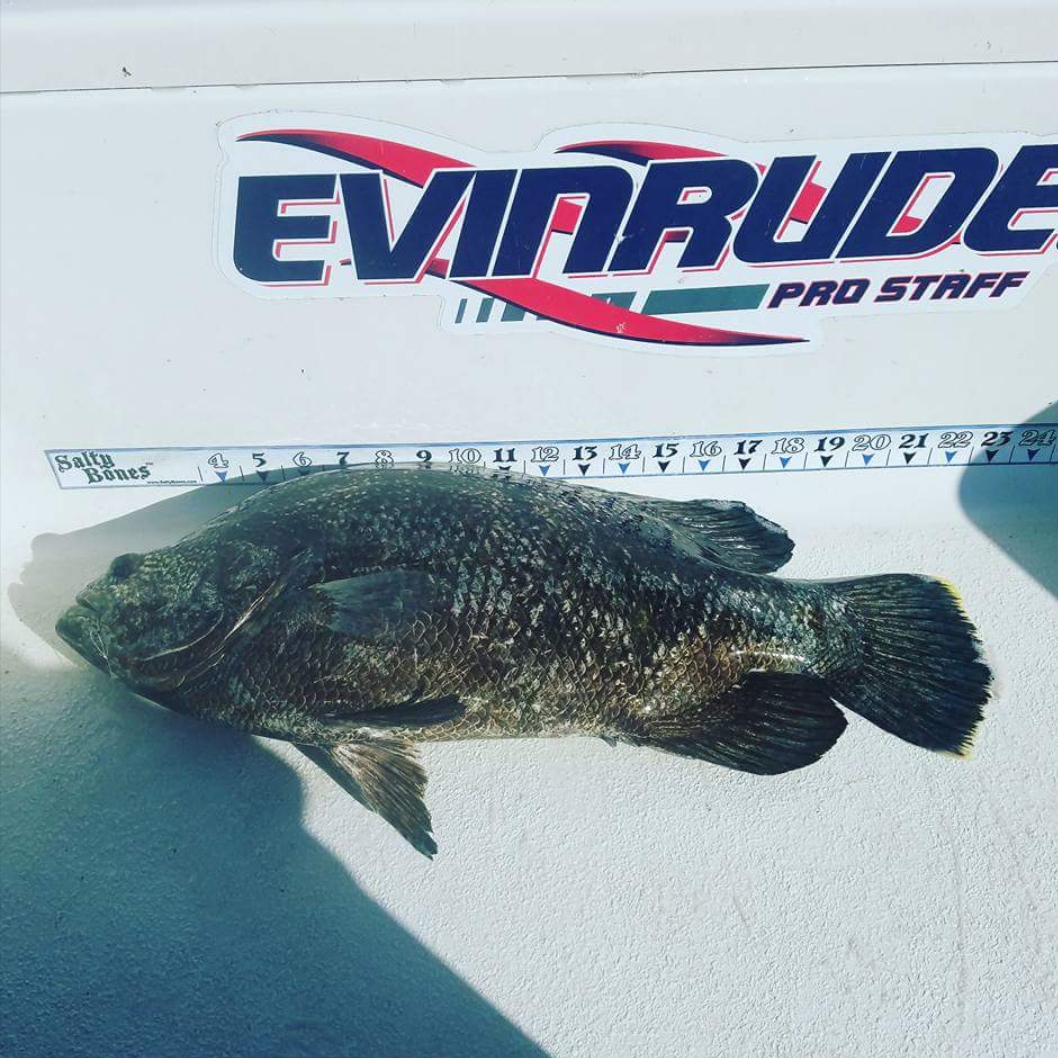
Say goodbye to triple tail. Growing up here in Southwest Florida there used to be an abundance of Fish here. But like most things there has to be change too many people too much pollution too much red tide Too much lLake Okeechobee. When Florida sportsman came out with triple tail article 20 years ago it was all downhill from there. Next it will be Sheepshead . As in the article Florida sportsman this month. Growing up here in the 70s are times I will cherish and never forget The abundance that once was. Remember only take what you can use and put the rest back In mother ocean hopefully For a Nother day
Amen brother!
Well said I totally agree
I agree wholeheartedly, I too am from N.W. Fl. we had a great fishery for several yrs. but like so many others the triple tail in our area became known and soon left the building, I am talking about the late 70s to early 80s, we fished the apalach. bay area and quickly became addicted to the hunt, much like the cobia fishing of the same era, great memories and a lot of great dinners, I am not complaining but agreeing. Good fishing to all and to all a good night. Bill
[…] Click here to read more——> […]
Need to have a slot limit like snook.
Maybe 18-22″
Let’s save the big breeders.
Great article… we love triple tail fishing! A few years back we came across this tag and release program through The University of Southern Mississippi. They mail you a tagging kit for free and we often get reports/information on fish we have previously caught and released. We fish Mobile Bay, Pensacola Bay and Apalachicola Bay and have tagged fish in all three areas. If you are concerned about the population this is a great way to get involved and help scientific research.
https://gcrl.usm.edu/fisheries_center/tag.and.release.program.php