
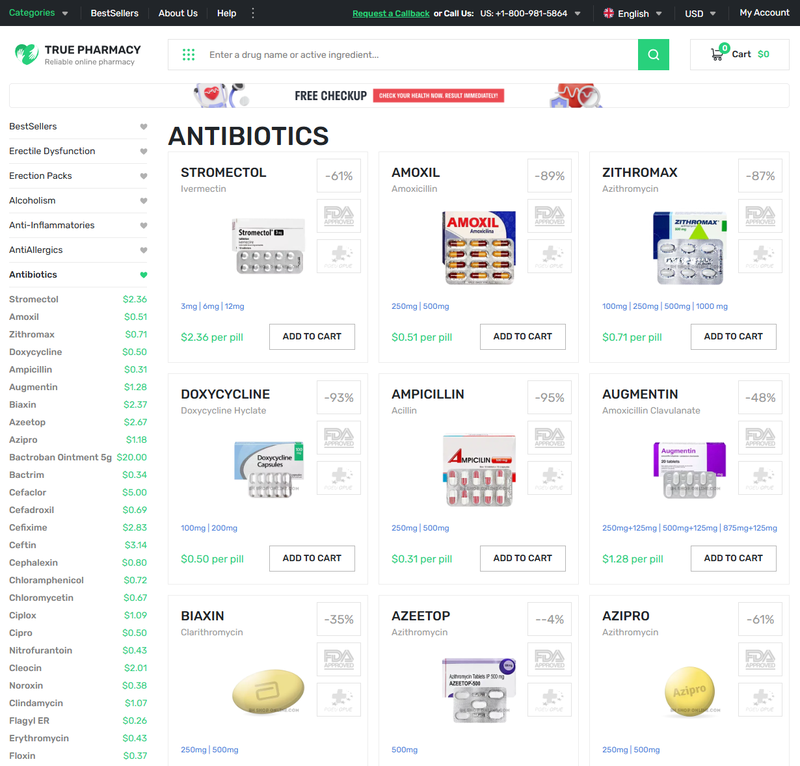
To Buy Ivermectin Without Prescription Visit Our Pharmacy ↓
Ivermectin as Covid Treatment
Some studies suggest that Ivermectin can potentially reduce the duration of symptoms, viral load, and mortality rates among COVID-19 patients. Additionally, it's crucial to consider and understand the potential side effects of Ivermectin use. Studies have shown that it can reduce viral load, shorten the duration of symptoms, and even prevent transmission of the virus in some cases. As health systems scrambled to combat the virus's relentless spread, the search for accessible solutions led to a spotlight on this fascinating comp. Real-life experiences and testimonials can provide valuable insights into the potential effectiveness of Ivermectin in treating Covid-19. Ivermectin has emerged as a preferred option in treating a variety of parasitic infections, notably stronger than traditional agents in some cases. Ivermectin belongs to the class of drugs known as antiparasitic medications and was initially developed for veterinary use.
Empowering Local Healthcare Systems
This makes it an attractive and affordable option for livestock and pet owners, as it provides effective parasite control while reducing the financial burden. The medical perspective on Ivermectin's potential as a Covid-19 treatment remains a subject of ongoing debate. The potential of Ivermectin as a preventative measure for COVID-19 could potentially ease the burden on overwhelmed healthcare systems and provide an additional tool in the fight against the pandemic. The Risks and Side Effects of Ivermectin are well documented and should not be ignored. Ivermectin, a well-known antiparasitic agent, was initially discovered in the 1970s from a Japanese soil bacterium. By providing access to this affordable and accessible medication, countless lives have been saved, and the burden of disease has been significantly reduced. The viral nature of the falsehoods created an environment where people, desperate for protection or treatment, turned to a medication not proven to be effective against the virus.
Dissecting the Viral Misinformation Epidemic
The World Health Organization (WHO) and the US Food and Drug Administration (FDA) have not yet approved Ivermectin as a COVID-19 treatment due to a lack of sufficient clinical trial data. With its cost-effective treatment options, Ivermectin is accessible to both small and large-scale animal owners, ensuring that animals receive the care they need without straining budgets. Furthermore, logistical challenges in distribution, especially in remote areas, complicate effective deployment. However, it is important to note that more research is needed to fully understand the long-term effects of ivermectin as a treatment for COVID-19. While this mechanism is effective against a wide range of parasites, it also means that ivermectin is generally safe for animals to take, as it does not affect their nervous systems in the same way. Additionally, lymphatic filariasis, another NTD that causes severe disability, can be effectively managed with ivermectin-based treatment programs. Without robust scientific backing, these assertions quickly escalated into widespread belief that Ivermectin was a miracle cure, contradicting the reserved optimism of the scientific community.
The Controversial Contention: Understanding the Debates Surrounding Ivermectin's Efficacy
As the global scientific community continues to explore potential treatments for Covid-19, the role of Ivermectin remains a topic of ongoing investigation and debate. In India, ivermectin became part of early COVID-19 management protocols in some regions. The Potential Risks and Side Effects: Ivermectin can cause side effects such as dizziness, nausea, and vomiting. This offers horse owners greater flexibility and ease of use. Animals experience less stress, discomfort, and pain caused by parasitic infections, leading to a higher quality of life. Despite the skepticism, research and clinical trials are ongoing to investigate whether ivermectin could be a viable option in the fight against Covid-19. Due to the lack of large-scale, well-designed clinical trials, many health organizations, including the World Health Organization and the U.S.
Maximizing the Benefits of Ivermectin: Tips for Successful Treatment
It is important to understand both the claims and criticisms of ivermectin as a potential treatment option. The cautious application of ivermectin as a parasiticide in wildlife populations must consider the complex interplay between host species, parasites, and the broader ecosystem. However, it is important to note that the FDA has not approved ivermectin for the prevention or treatment of COVID-19, and there are concerns about the potential misuse or overuse of the drug. Despite its success, there is still much to learn about the drug's mechanism of action and potential side effects. As a broad-spectrum antiparasitic, ivermectin plays a crucial role in maintaining pet health by preventing diseases caused by these invaders. For instance, when addressing conditions like lymphatic filariasis or river blindness, its specific effectiveness can make it the first choice. Debunking the myths surrounding Ivermectin is crucial in understanding its potential uses and limitations.
Why Heartworm Prevention Matters More Than You Think
Overall, the use of Ivermectin in disease prevention serves as a vital tool for safeguarding livestock health and maintaining sustainable farming practices. Some studies suggest that ivermectin may have antiviral properties, potentially inhibiting the replication of the SARS-CoV-2 virus. This action makes it highly effective against a range of parasites including heartworms, mites, and certain types of worms, helping to ensure your pet lives a healthier, parasite-free life. The sudden surge in demand for Ivermectin has also led to a rise in misinformation and controversy, with many people self-medicating with dangerously high doses. Its ability to cause paralysis in parasites is invaluable, especially when dealing with species that exhibit resistance to other types of anthelmintics. Addressing these challenges is crucial to gaining regulatory approval, which in turn would enable wider access to this drug for patients. Some dogs may experience adverse reactions such as vomiting, diarrhea, lethargy, and loss of appetite.
The Need for Further Research
As a result, progress has been made towards the elimination of the disease in some regions, bringing new hope to those affected by it. More research is needed to determine the safety and efficacy of using ivermectin to treat COVID-19. Initially, the compound was isolated from a soil sample in Japan. Vaccines from manufacturers such as Pfizer-BioNTech, Moderna, and Johnson & Johnson have been thoroughly vetted through extensive clinical trials and real-world data. Additionally, while ivermectin is safe for most dogs, certain breeds like the Australian Shepherd and Collies may have a genetic mutation that makes them more sensitive to the drug. Understanding the true role of ivermectin in COVID-19 management requires a careful examination of the available evidence, free from the biases and hyperbole that have clouded the discussion. Ivermectin has had a profound impact on the treatment and prevention of parasitic infections, particularly in the cases of river blindness and scabies.
Overcoming Challenges of Drug Resistance.
It has also been credited with saving millions of lives around the world. But how exactly does Ivermectin work against the virus? And is it really a safe and effective treatment? These are questions that scientists are still trying to answer. Additionally, overuse or incorrect dosages of Ivermectin can contribute to the development of resistance in parasites, rendering the drug ineffective in the long term. These findings have led to a surge in clinical trials and research initiatives focused on further investigating the drug's potential against Covid-19. Skin conditions that were once difficult to manage or treat, such as scabies and rosacea, have seen significant improvement with the introduction of Ivermectin. As potentially a tool against a range of vector-borne illnesses, Ivermectin continues to be a focal point in research, looking at ways to optimize its use and reduce the burden of diseases carried by vectors. In this article, we will explore the various uses of ivermectin in treating animal parasites and diseases and discuss the safety precautions necessary when administering the medication to animals.
Understanding Ivermectin: Its Mechanism of Action and Potential Side Effects
While some early findings initially suggested a promising role for this compound medication, larger, more rigorous studies have indicated mixed results, pointing towards the necessity of additional research. Therefore, it is essential to follow proper administration and dosage guidelines to ensure the safety and efficacy of treatment. Ivermectin is a medication that has been used for decades for a variety of medical purposes. Health organizations, including the World Health Organization and the FDA, have consistently emphasized the lack of conclusive evidence to support its widespread use against COVID-19. The drug has been found to have antiviral effects against SARS-CoV-2, the virus that causes COVID-19, in laboratory studies. As researchers explore its possible efficacy in treating COVID-19, the discussion surrounding Ivermectin challenges conventional thinking on treatment options for viral infections. This not only disregards the Sig on their prescriptions but also exposes them to harmful side effects.
Broadening Horizons: Ivermectin Beyond Parasitic Diseases
Testimonials also highlight the drug's potential in preventing severe illness and hospitalization. Ivermectin is a versatile drug in the treatment of animal parasites and diseases. Ultimately, the decision to use Ivermectin as a treatment for COVID-19 will require further research and a careful consideration of the potential risks and benefits. Ivermectin's therapeutic profile continues to be an area of significant interest in the medical community. Additionally, the drug has been proven to have a long-lasting effect, providing continued protection against reinfestation for several weeks. Some medical authorities argue that there is insufficient evidence to support its efficacy against the virus, while others suggest that further research is needed to explore its potential benefits. Regular removal of manure, strategic grazing rotation, and harrowing can help decrease the parasite load on pastures and reduce the risk of reinfection.By exploring these alternative options, horse owners can have a more comprehensive approach to equine parasite control, in conjunction with the use of Ivermectin when necessary.
Revia OnlinePurchase Sinequan OnlinePurchase Zovirax Online


Fantastic article. Thanks for sharing. Love the combination name.
Fishing captain and Real Estate Investor, agent, or both?
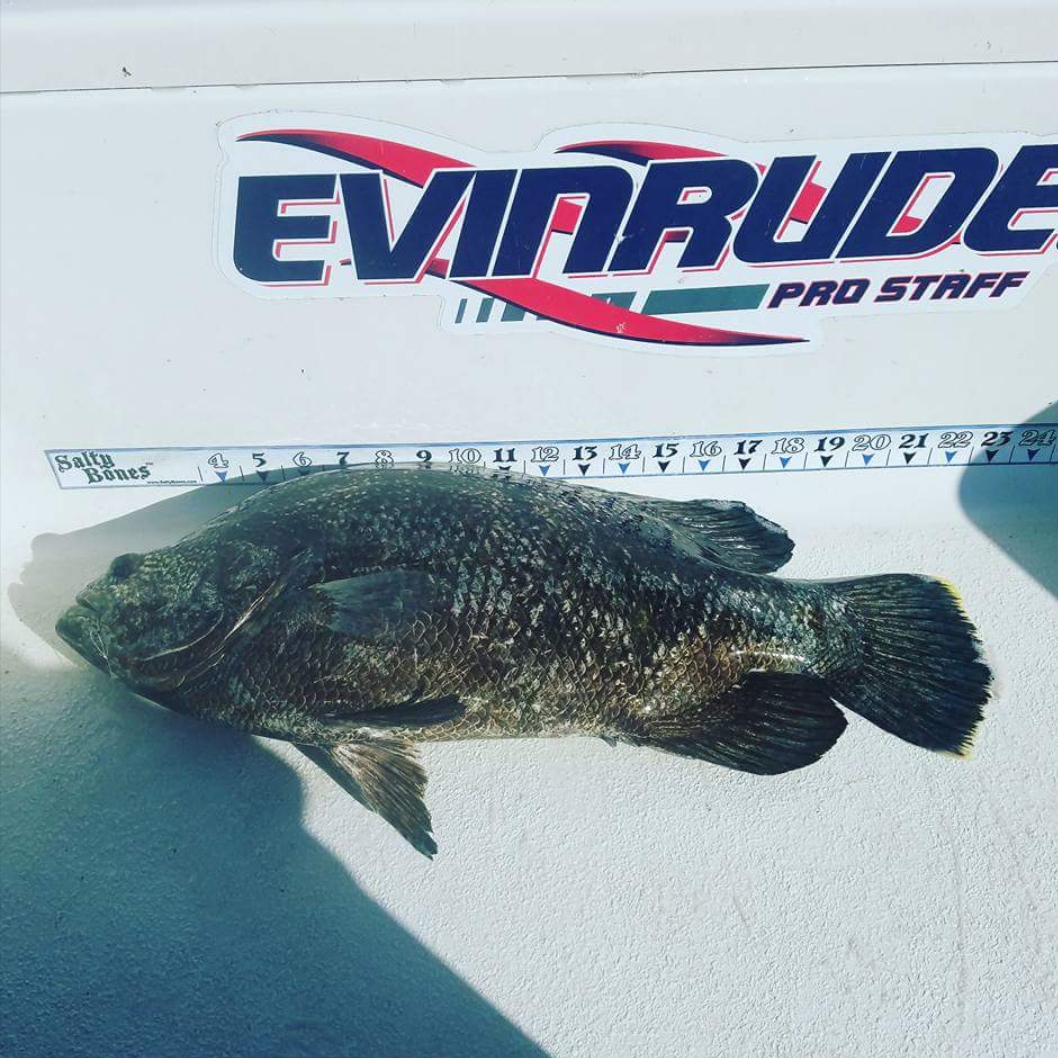
Say goodbye to triple tail. Growing up here in Southwest Florida there used to be an abundance of Fish here. But like most things there has to be change too many people too much pollution too much red tide Too much lLake Okeechobee. When Florida sportsman came out with triple tail article 20 years ago it was all downhill from there. Next it will be Sheepshead . As in the article Florida sportsman this month. Growing up here in the 70s are times I will cherish and never forget The abundance that once was. Remember only take what you can use and put the rest back In mother ocean hopefully For a Nother day
Amen brother!
Well said I totally agree
I agree wholeheartedly, I too am from N.W. Fl. we had a great fishery for several yrs. but like so many others the triple tail in our area became known and soon left the building, I am talking about the late 70s to early 80s, we fished the apalach. bay area and quickly became addicted to the hunt, much like the cobia fishing of the same era, great memories and a lot of great dinners, I am not complaining but agreeing. Good fishing to all and to all a good night. Bill
[…] Click here to read more——> […]
Need to have a slot limit like snook.
Maybe 18-22″
Let’s save the big breeders.
Great article… we love triple tail fishing! A few years back we came across this tag and release program through The University of Southern Mississippi. They mail you a tagging kit for free and we often get reports/information on fish we have previously caught and released. We fish Mobile Bay, Pensacola Bay and Apalachicola Bay and have tagged fish in all three areas. If you are concerned about the population this is a great way to get involved and help scientific research.
https://gcrl.usm.edu/fisheries_center/tag.and.release.program.php