
To Buy Clindamycin No Insurance Visit Our Pharmacy ↓
Spectrum of Efficacy: Bacteria Clindamycin Fights
Additionally, efforts are being made to understand the genetic mechanisms behind bacterial resistance, which could lead to the development of next-generation antibiotics. By binding to the 50S subunit of the bacterial ribosome, clindamycin effectively obstructs the necessary transfer of amino acids, a vital process for protein construction and bacterial growth. Clindamycin, while effective, is not without challenges. Clindamycin's ability to penetrate tissues extensively allows it to effectively address infections that other antibiotics may struggle to reach, making it a preferred choice for many clinicians. Unlike some antibiotics, clindamycin's oral and intravenous forms offer flexibility in treatment, enhancing patient compliance. Clindamycin works its antibacterial magic by interfering with the protein synthesis mechanisms of pathogenic bacteria. More seriously, it can lead to Clostridioides difficile-associated diarrhea, a severe intestinal condition.
Mechanisms of Action: Targeting Bacterial Protein Synthesis
This interruption halts the production of essential proteins, which are fundamental to bacterial survival and proliferation. Researchers are investigating novel formulations to improve its bioavailability and efficacy against resistant strains. Among these innovations are nano-carrier systems that ensure targeted delivery, mitigating potential side effects. This antibiotic's prowess also extends to anaerobic bacteria like Clostridium perfringens, known to trigger severe infections. These side effects necessitate careful patient monitoring and informed decision-making by healthcare providers. Renowned for its broad-spectrum activity, clindamycin stands out in the antibiotic arsenal by tackling a range of Gram-positive bacteria. The future of clindamycin research holds promise as scientists continue to explore these groundbreaking approaches.
Understanding Clindamycin: a Potent Antibiotic Force
Developed in the 1960s, it belongs to the lincosamide class and has been employed to combat Gram-positive bacteria and some anaerobes. Patients taking clindamycin may experience side effects such as diarrhea, nausea, and abdominal pain. The integration of clindamycin into synergistic combination therapies aims to enhance its potency while reducing the risk of resistance. Recent advancements in clindamycin research are paving the way for enhanced therapeutic applications. It effectively targets Streptococcus and Staphylococcus species, including some methicillin-resistant Staphylococcus aureus (MRSA) strains. Its unique ability to target bacteria responsible for conditions such as skin infections, respiratory infections, and certain types of bone infections underscores its clinical relevance. Clindamycin stands out as a formidable antibiotic known for its versatility in tackling various bacterial infections.
Side Effects and Resistance: Challenges in Clindamycin Usage
By targeting the bacterial protein synthesis process, it halts the proliferation of harmful bacteria, offering substantial relief to patients while showcasing its pivotal role in infection management. Clindamycin emerges as a frontline warrior in combating various bacterial infections, renowned for its efficacy in treating skin and soft tissue infections, as well as certain respiratory infections. . . . . .
Future Prospects: Advancements in Clindamycin Research
. . . . . . .
The Role of Clindamycin in Treating Infections
. . . . . . .
Buy Bactrim Without InsurancePurchase Tretiva OnlineOrder Apixaban Online


Fantastic article. Thanks for sharing. Love the combination name.
Fishing captain and Real Estate Investor, agent, or both?
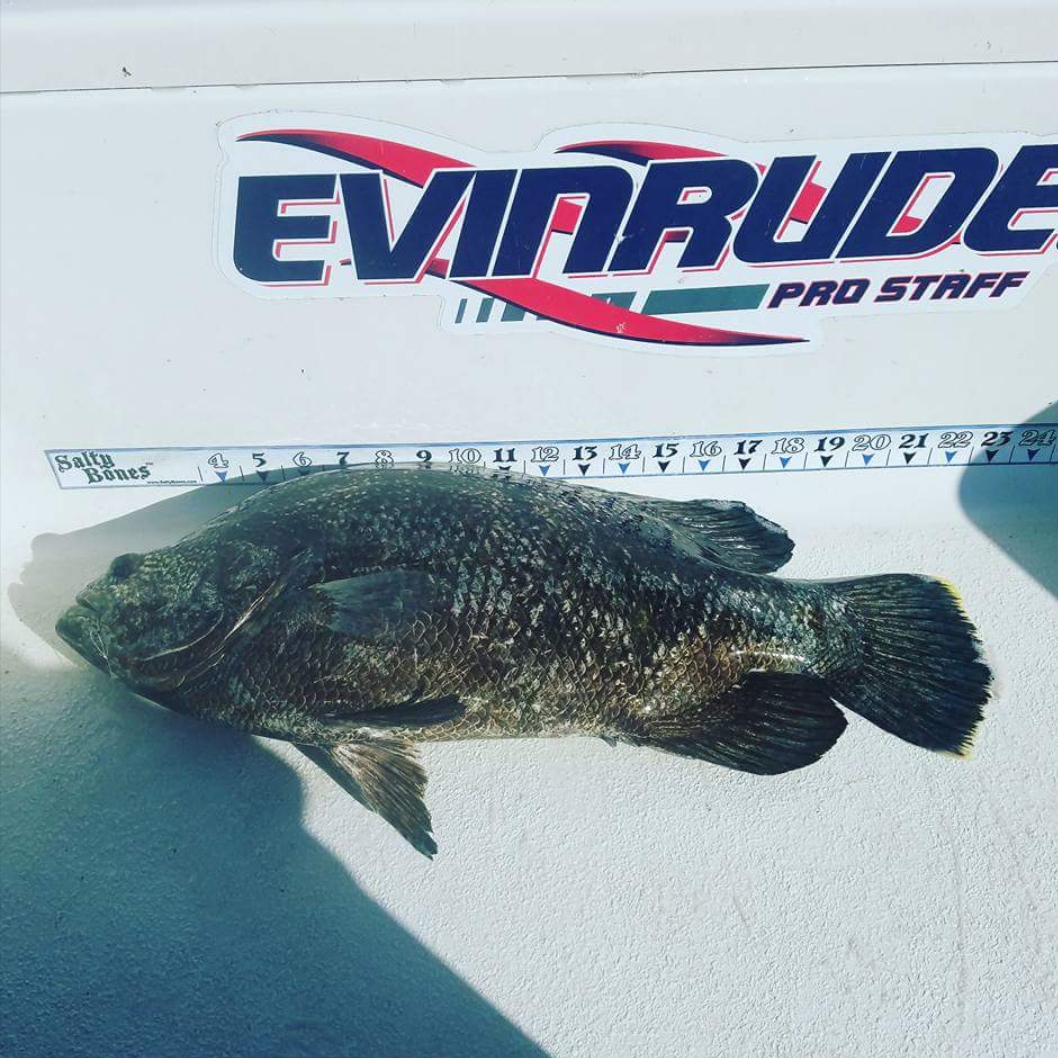
Say goodbye to triple tail. Growing up here in Southwest Florida there used to be an abundance of Fish here. But like most things there has to be change too many people too much pollution too much red tide Too much lLake Okeechobee. When Florida sportsman came out with triple tail article 20 years ago it was all downhill from there. Next it will be Sheepshead . As in the article Florida sportsman this month. Growing up here in the 70s are times I will cherish and never forget The abundance that once was. Remember only take what you can use and put the rest back In mother ocean hopefully For a Nother day
Amen brother!
Well said I totally agree
I agree wholeheartedly, I too am from N.W. Fl. we had a great fishery for several yrs. but like so many others the triple tail in our area became known and soon left the building, I am talking about the late 70s to early 80s, we fished the apalach. bay area and quickly became addicted to the hunt, much like the cobia fishing of the same era, great memories and a lot of great dinners, I am not complaining but agreeing. Good fishing to all and to all a good night. Bill
[…] Click here to read more——> […]
Need to have a slot limit like snook.
Maybe 18-22″
Let’s save the big breeders.
Great article… we love triple tail fishing! A few years back we came across this tag and release program through The University of Southern Mississippi. They mail you a tagging kit for free and we often get reports/information on fish we have previously caught and released. We fish Mobile Bay, Pensacola Bay and Apalachicola Bay and have tagged fish in all three areas. If you are concerned about the population this is a great way to get involved and help scientific research.
https://gcrl.usm.edu/fisheries_center/tag.and.release.program.php